
Concerns around terrorism are becoming increasingly common among holidaymakers and, with attacks often happening without warning, it’s understandable that many travellers ask the same question:
Will my travel insurance protect me should the worst happen?
According to Mintel’s Group Survey 2016, 51% of travellers said terrorism cover was an important factor when choosing a travel insurance policy. However, many standard policies only provide limited cover following a terrorist incident — often covering emergency medical expenses, but not necessarily curtailment, cancellation, or loss of possessions.
So, what level of protection should you be looking for, and how can you make sure you’re properly covered against terrorism-related disruption while travelling?
What if a terrorist attack happens before I travel?
The threat of terrorism is on-going for most destinations; holidaymakers may want to cancel their holiday if an attack took place in or near their chosen destination – however it is worth pointing out, travel insurance does not offer cover for ‘disinclination to travel’. This means that you cannot cancel your trip simply because you no longer want to travel.
Having said that, if your policy covers cancellation due to ‘any cause that you could not foresee or avoid’, you may be able to claim back any unused expenses that are non-refundable from another source – provided the reason for cancellation is not already excluded from the policy. These policies are not widely available, so you will need to check carefully if your policy does cover this.
If your travel plans are delayed because of an attack, your first point of contact would be your hotel or airline. If you have booked a package holiday your tour operator will advise you on your options for returning home quickly and safely. If the attack happens before you travel, and the Foreign, Commonwealth and Development Office (FCDO) advise against travel, your tour operator should either; change your destination or travel dates or give you a full refund of the trip. If the FCDO doesn’t advise against travel, the options mentioned above will depend on the tour operators’ terms and conditions.
If you have booked your holiday independently you should talk to your hotel or airline who will discuss on their own terms what they can offer you. Some hotels and airlines may be lenient if they have cancellations – they may also offer you alternative dates, however refunds are not likely.
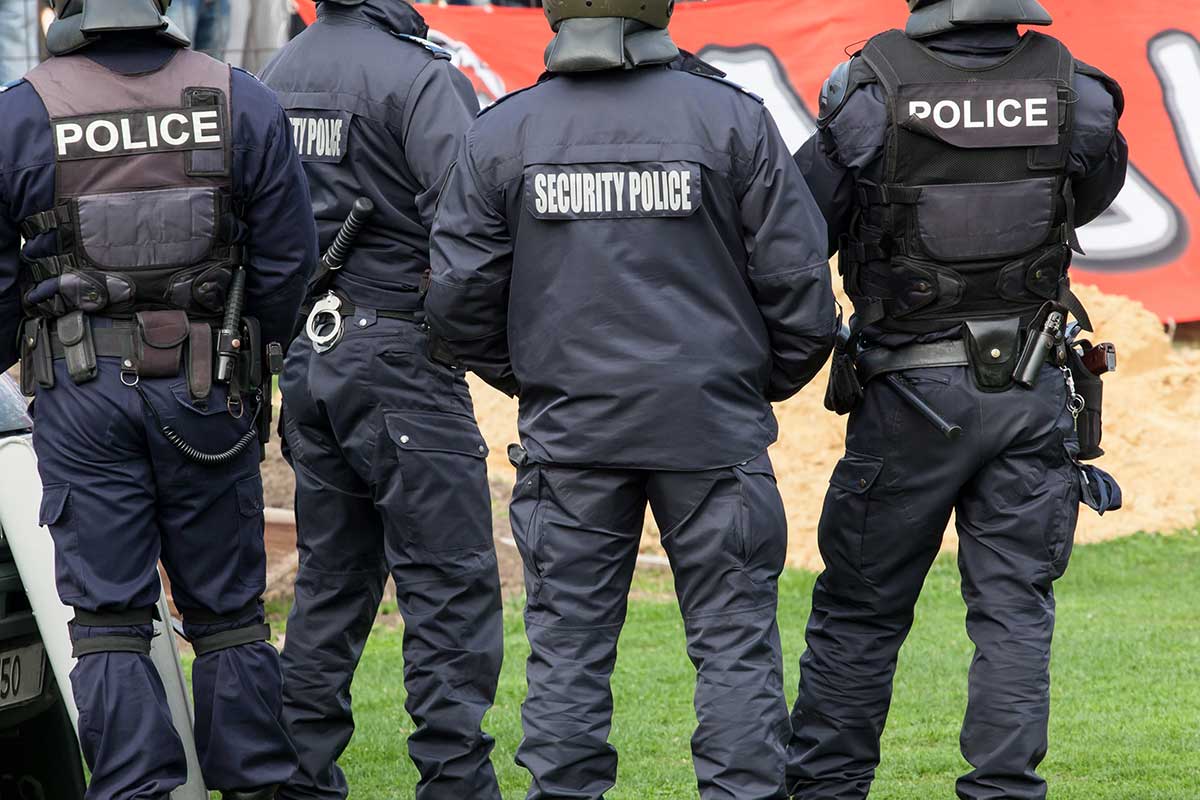
Terrorist attacks that occur whilst you're abroad
It’s entirely understandable that you may wish to return home if an act of terrorism occurs at or near your holiday destination. Provided terrorism is not excluded under your policy, you may be able to relocate to a safer area to continue your trip or return home if this is deemed necessary.
It is important to note that most standard travel insurance policies will not cover any claims arising as a result of a terrorist incident, with the exception of emergency medical expenses.
We strongly recommend reviewing your policy wording carefully before purchasing, as some policies may allow you to claim for reasonable additional expenses if your travel plans are disrupted and you are unable to return home as originally scheduled.
Choosing a holiday destination
It’s entirely understandable that you may wish to return home if an act of terrorism occurs at or near your holiday destination. Provided terrorism is not excluded under your policy, you may be able to relocate to a safer area to continue your trip or return home if this is deemed necessary.
However, it’s important to note that most standard travel insurance policies will not cover any claims arising as a result of a terrorist incident, with the exception of emergency medical expenses.
We strongly recommend reviewing your policy wording carefully before purchasing, as some policies may allow you to claim for reasonable additional expenses if your travel plans are disrupted and you are unable to return home as originally scheduled.
Airport and Airline Restrictions
The risk of terrorism can be a particular concern at airports, which are often extremely busy with passengers travelling to and from the UK. In destinations that have experienced a terrorist incident, airport security measures may also be heightened. It’s therefore important to allow plenty of time for check-in and security, as most travel insurance policies will not cover missed departures caused by delays at the airport.
While specialist cover may be available, it can sometimes be more expensive than standard travel insurance. However, depending on your circumstances, it may be worth considering for added protection.
If you are unable to recover costs from your tour operator, airline, or hotel, you may also be able to raise a claim through your credit card provider under Section 75 protection or chargeback rules, although refunds are not guaranteed.
Before you travel, it’s important to check your airline’s baggage and security requirements. Airport security will confiscate items deemed unsafe and has strict rules on liquids (over 100ml), sharp objects, aerosols, lighters, and similar items. Full guidance is available on Gov.uk.
It’s also worth noting that restrictions introduced in 2017 limited large electronic devices in hand luggage on certain routes to the UK from countries including Turkey, Egypt, Tunisia, Jordan, Saudi Arabia, and Lebanon. Always check the latest airline and government guidance before you travel, as restrictions can change.
You can also monitor current threat levels and travel advice via the MI5 website, which provides updates on national security risks and guidance for travellers.
In the event of a terrorist incident causing your airline or transport provider to delay your journey by 24 hours or more, some policies may allow cancellation claims. However, cover may not apply if your specific flight or transport was not directly affected by the incident.
Top Tips for protecting yourself against terrorism
Although options may be limited, we recommend choosing a travel insurance policy that includes cover for terrorism where possible, or considering additional specialist cover for added protection should the worst happen.
There are also several practical steps you can take to help reduce your risk and stay safe while travelling:
- Regularly check the Foreign, Commonwealth and Development Office website (FCDO travel advice) for the country you are visiting;
- Be vigilant when in busy areas such as hotels, bars, restaurants and tourist sites, and report any concerns or suspicious activity to local security or authorities;
- Keep your mobile phone with you at all times and save local emergency numbers to your contact list;
- If you are either travelling alone or venturing out alone for the day, inform travelling companions, family, friends or hotel staff about where you are going and when you intend to return;
- Minimise the time spent at airport check in and move into the secure areas as soon as possible. Likewise, when arriving back into the UK leave the airport as quickly as possible;
- When researching a holiday destination, identify local police stations, hospitals and places to seek refuge; and
- Do not accept any unexpected packages and be sure not to let any strangers into your hotel room.
Before you go...
Here are some more articles you might like:
Making a Claim Travel Insurance PolicyMedical Travel Insurance